Scuba Diving in Mexico Beach, FL
Mexico Beach is one of the Gulf’s most accessible diving destinations, and one of the best places overall to dive in Florida. Whether you’re a certified diver or working to get your certificate, the waters just off The Unforgettable Coast offer something for everyone” more than 280 artificial reefs, natural hard-bottom formations, and historically significant shipwrecks lying in the depts of 20- to 120 feet.
From the shallow wreck of the Vamar to the WWII tanker Empire Mica resting 105 feet below the surface, Mexico Beach dive sites range 2 to 30 miles offshore, and every one of them is teeming with marine life. Expect encounters with nurse sharks, sea turtles, moray eels, banded shrimp, and vibrant reef fish.
Mexico Beach Artificial Reef Association
Looking to plan your next scuba adventure on Florida ‘s Gulf Coast? Since 1997, the Mexico Beach Artificial Reef Association (MBARA) has developed an extensive artificial reef system just offshore from Mexico Beach. The organization has three functions:
- Conservation and environmental improvement of natural and artificial reef systems near Mexico Beach, Florida
- Research and evaluation of artificial reef designs, biomass development, and fish production
- Educating the public about the importance of reefs to the marine ecosystem and their impact on coastal communities
Each year, MBARA brings the community together for one of Mexico Beach’s most anticipated events: The MBARA Kingfish Tournament. The tournament stands as the foundation’s most significant fundraising event, directly supporting its vital mission of constructing and deploying artificial reefs off the coast of Mexico Beach. These reefs play a crucial role in preserving and expanding natural habitats for marine life, providing a sanctuary for fish, coral, and other species to thrive. Moreover, they enhance fishing opportunities for both recreational and commercial fishermen by creating abundant and sustainable ecosystems, making them indispensable to the Gulf’s marine biodiversity and local fishing economy.
The MBARA website provides a comprehensive directory of nearly 300 artificial reef locations, along with a plastic guide available for purchase, complete with range, bearing, TDs, and GPS coordinates. You’ll also find captivating videos showcasing many of the dive sites. Click here to be redirected to their website.
Reef Locations & Dives
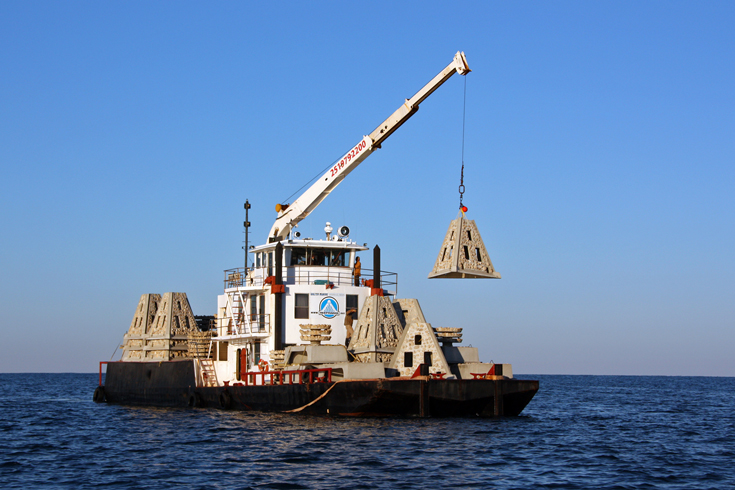
Among the best places to dive in Florida, Mexico Beach offers divers the opportunity to explore natural reef sites consisting of hard corals and rock formations; artificial sites created with Reef Balls, Reef Pyramids, and 10-foot-tall Reef Maker modules; and a number of barges, tugboats, shrimp boats, towers, and even concrete mixer trucks. Sites range from 2 miles to 30 miles offshore and are at depths of 20 to 120 feet.
The Empire Mica
The Empire Mica was a British steam tanker that was attacked and sunk by the German U-boat U-67, on June 29, 1942. Lying in 105 feet of water, this wreck offers scuba divers a historically significant world-class diving experience. Use the button links below to discover more.
The Lumber Ship Vamar
The wreck of the Vamar (formerly the Eleanor Bolling) is located in 25 feet of water in the Bell Shoal area. This site, designated as a Florida Underwater Archaeological Preserve is accessible by both scuba divers and snorkelers and is often visible from the surface.
Considered one of the most accessible Mexico Beach dive sites, lying under just 25 feet of water, it’s an ideal destination for beginning divers. The shallow depth and good visibility make it an easy, rewarding dive from a charter boat.
Plan Your Dive: Charters & Local Resources
One of the best things about snorkeling and diving in Mexico Beach is the freedom to explore at your own pace. With a boat, dive gear, and a sense of adventure, visitors can access a network of artificial reefs and offshore dive sites scattered throughout the Gulf. Spend the day searching for marine life, exploring underwater structures, and experiencing a side of the coast many visitors never see. Before heading out, always check marine forecasts, carry proper safety equipment, and familiarize yourself with reef locations to ensure a safe and memorable day on the water.
If you’re looking for boat supplies Mexico Beach Marina & Outfitters is a great option to find materials, plus get local’s information about getting on the water.
Mexico Beach From Below
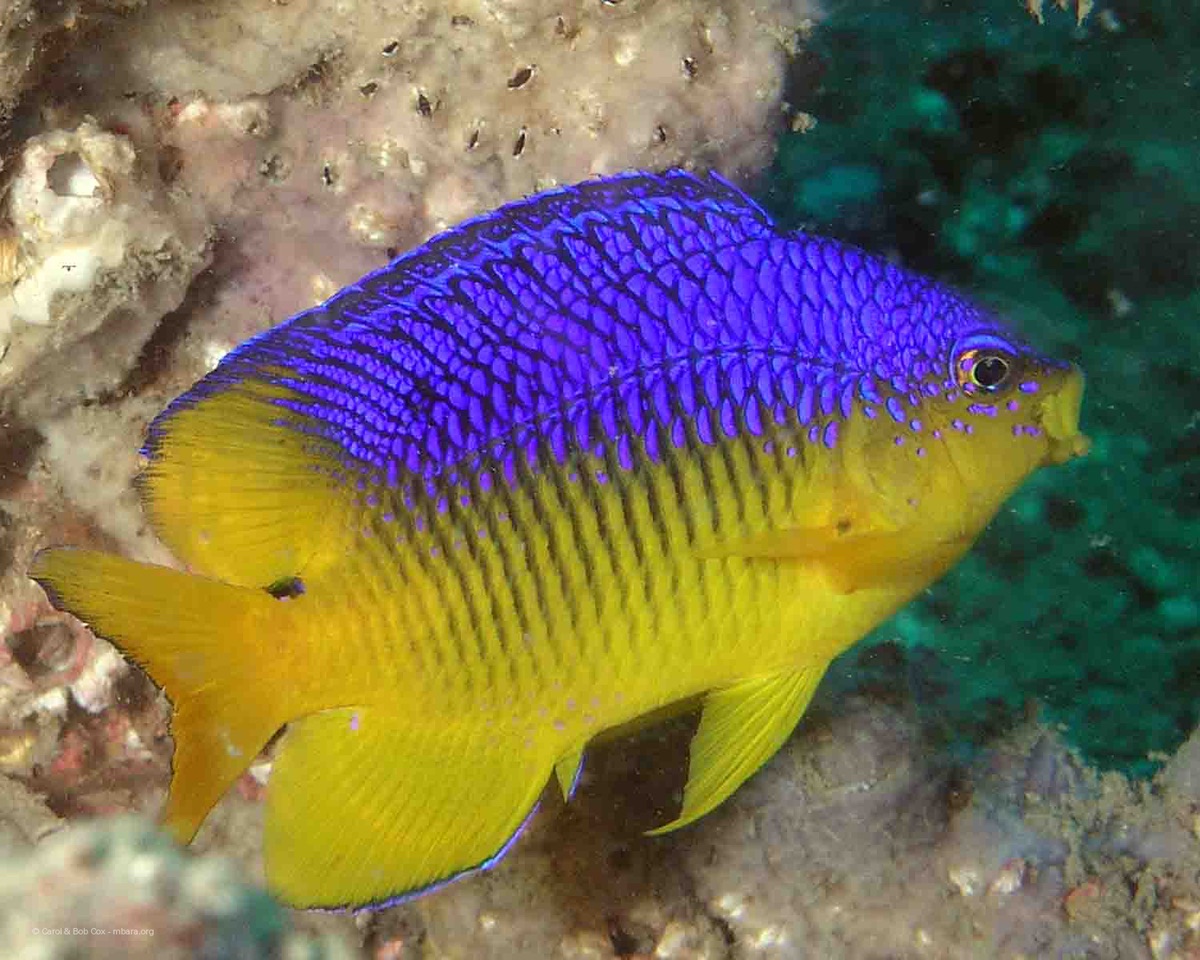
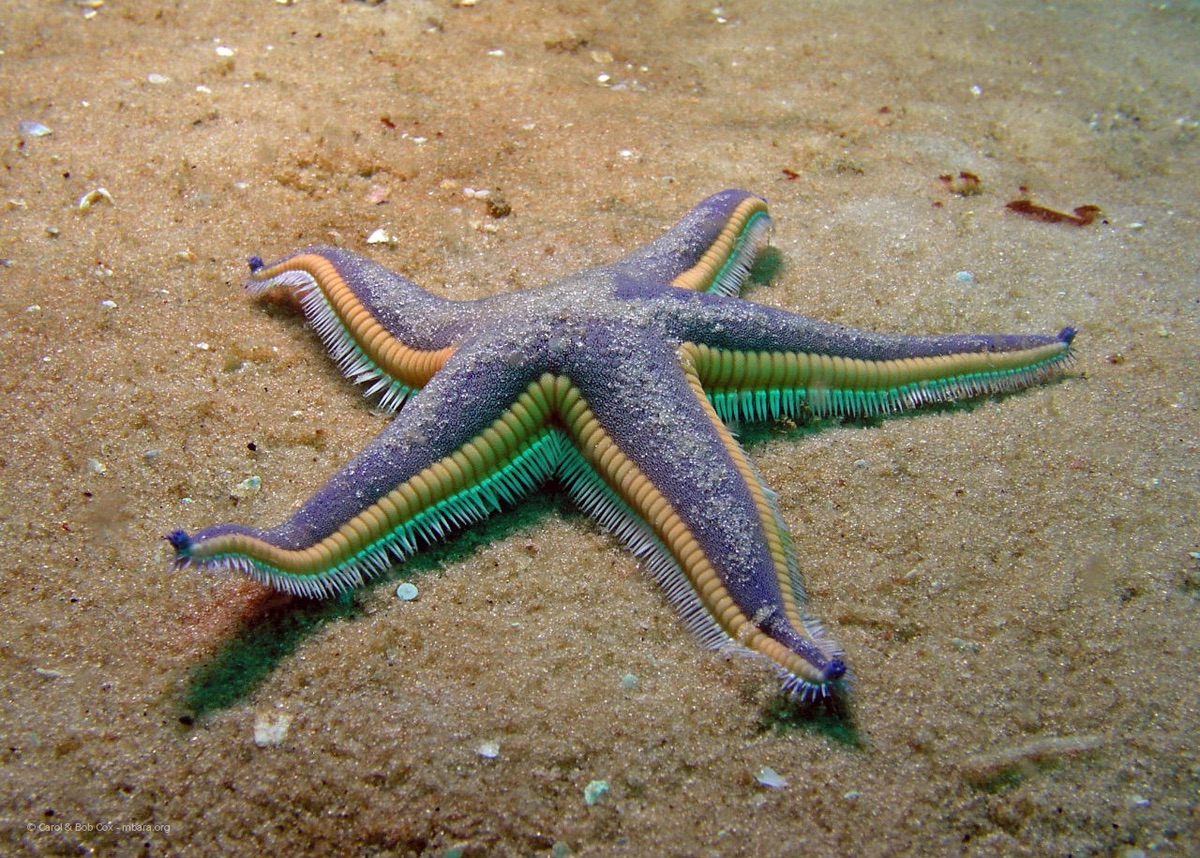
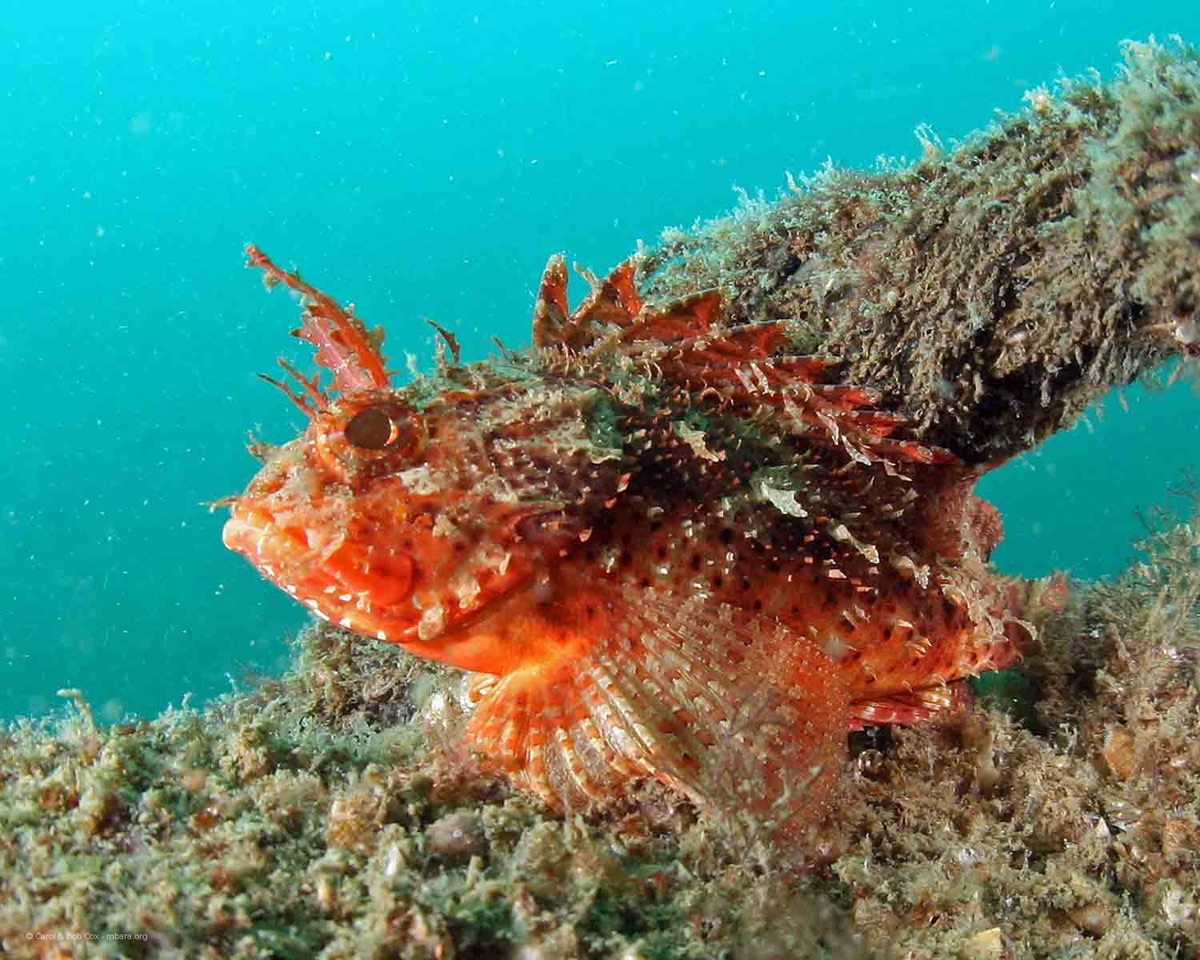
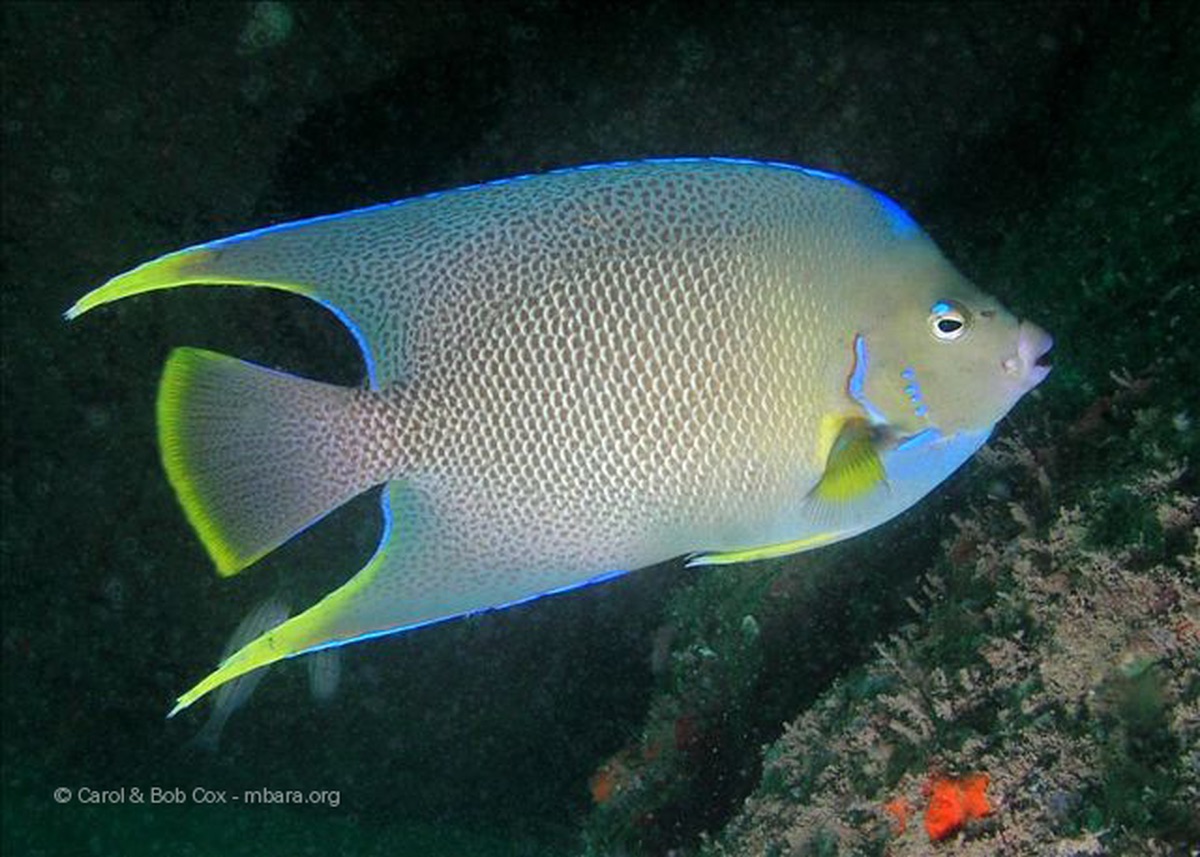
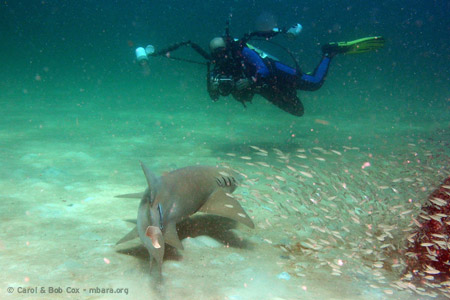
You never know what you’ll find below the surface in Mexico Beach. Here are a few photos to get you sampling of what you may see.

Frequently Asked Questions
Why is Mexico Beach considered one of the best places to dive in Florida?
The area features over 280 artificial reefs, natural hard-bottom formations, and two historically significant shipwrecks, all within 2-30 miles off shore. Florida scuba diving doesn’t get much more caried than this
What dive sites are near Mexico Beach, Florida?
Mexico Beach has dive sites for every skill level. Popular sites includes the Empire Mica (a WWII British tanker in 105 feet of water), the Vamar lumber ship in just 25 feet of water, and hundreds of artificial reef structures including Reef Balls, Reef Pyramids, and sunken vessels. The full list of 282+ reef locations with GPS coordinates is available through MBARA
Is Mexico Beach good for beginning scuba diving?
Absolutely. Mexico Beach is an excellent destination for beginner scuba diving, with shallow artificial reef sites starting at just 20 feet deep. The Vamar shipwreck sits on 25 feet of water and is popular with new divers.
How deep are the dive sites off Mexico Beach?
Depths range from 20 feet for shallower sites t0 feet for advanced divers. The Vamar sits at approximately 25 feet, while the Empire Mica rests at 105 feet. Most recreational reef dives fall in the 30-80 foot range.
What marine life can you see while diving in Mexico Beach?
Divers regularly encounter nurse sharks, sea turtles, moray eels, banded shrimp. seaweed blennies, and a wide variety of reef fish. The artificial reef structures have created thriving marine habitats supporting significantly more biodiversity than the surronding sandy seafloor.